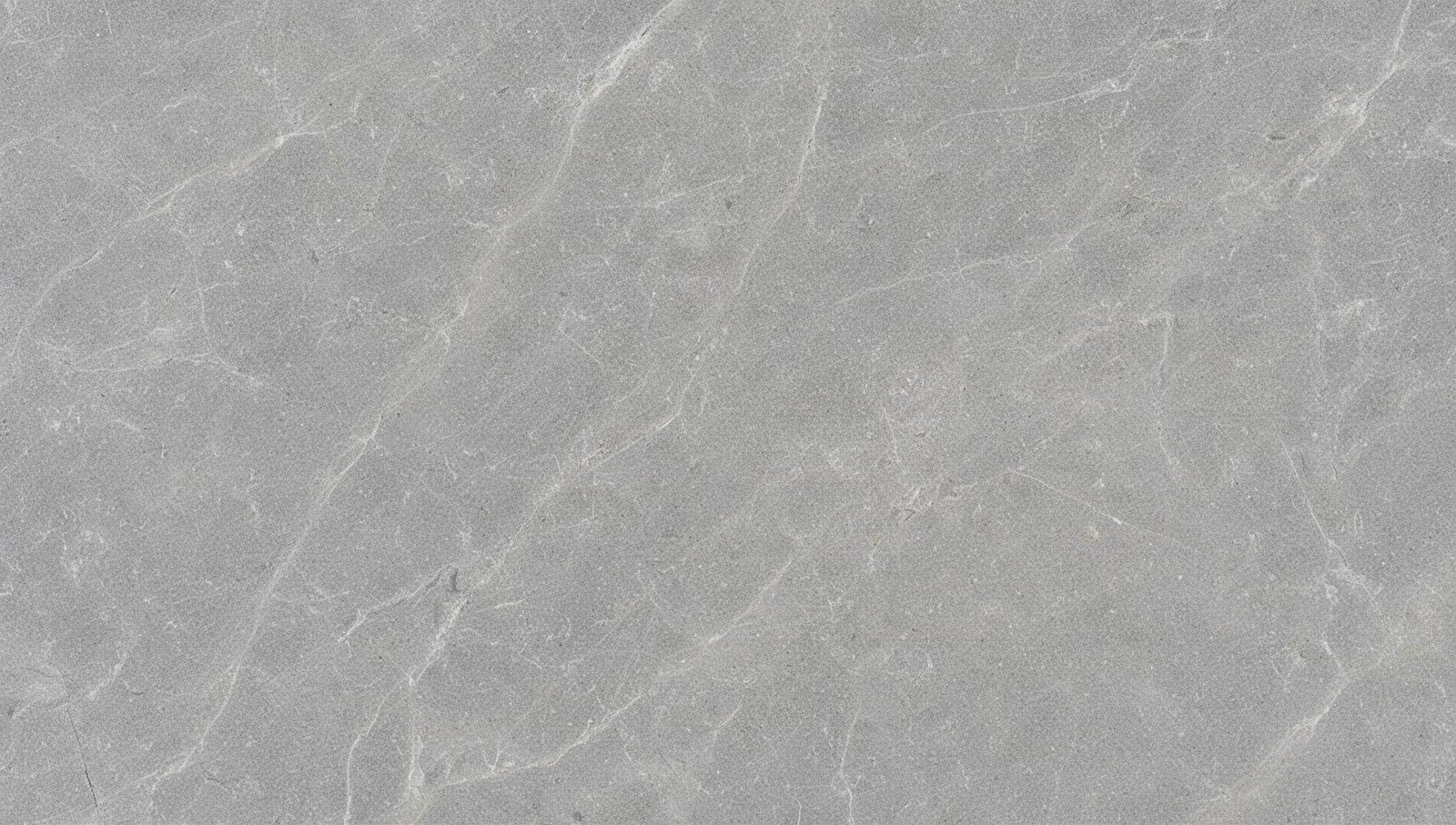
Grey Limestone
Premium Natural Stone for Timeless Architecture
Grey limestone stands as one of nature's most refined building materials, prized by architects and designers worldwide for its understated elegance and remarkable durability. Sourced from the finest quarries across Europe and Asia, our premium grey limestone collection offers an unparalleled range of finishes, sizes, and applications — from grand architectural facades to intimate interior spaces. Whether you are specifying natural grey limestone for a contemporary residence or a landmark commercial project, this versatile natural stone delivers a timeless aesthetic that only improves with age.
Understanding the Material
What is Grey Limestone?
Grey limestone is a sedimentary natural stone formed over millions of years from the accumulation of marine organisms, shells, and calcium carbonate deposits on ancient sea floors. Distinguished by its characteristic grey tones — ranging from pale silver to deep charcoal — this limestone variety has become one of the most sought-after building materials in contemporary architecture and design.
Unlike engineered stone products, natural grey limestone carries unique geological signatures in every slab: subtle veining, fossilised traces, and organic colour variations that make each piece genuinely one-of-a-kind. These natural characteristics are precisely what architects and interior designers value most — an authenticity that no manufactured material can replicate.
The geological composition of grey limestone gives it exceptional structural properties. With a density typically ranging from 2,300 to 2,700 kg/m³, grey limestone slabs offer the load-bearing capacity required for both flooring and exterior cladding applications. Its relatively low porosity, especially when properly sealed, makes it suitable for wet environments including bathrooms, kitchens, and pool surrounds.
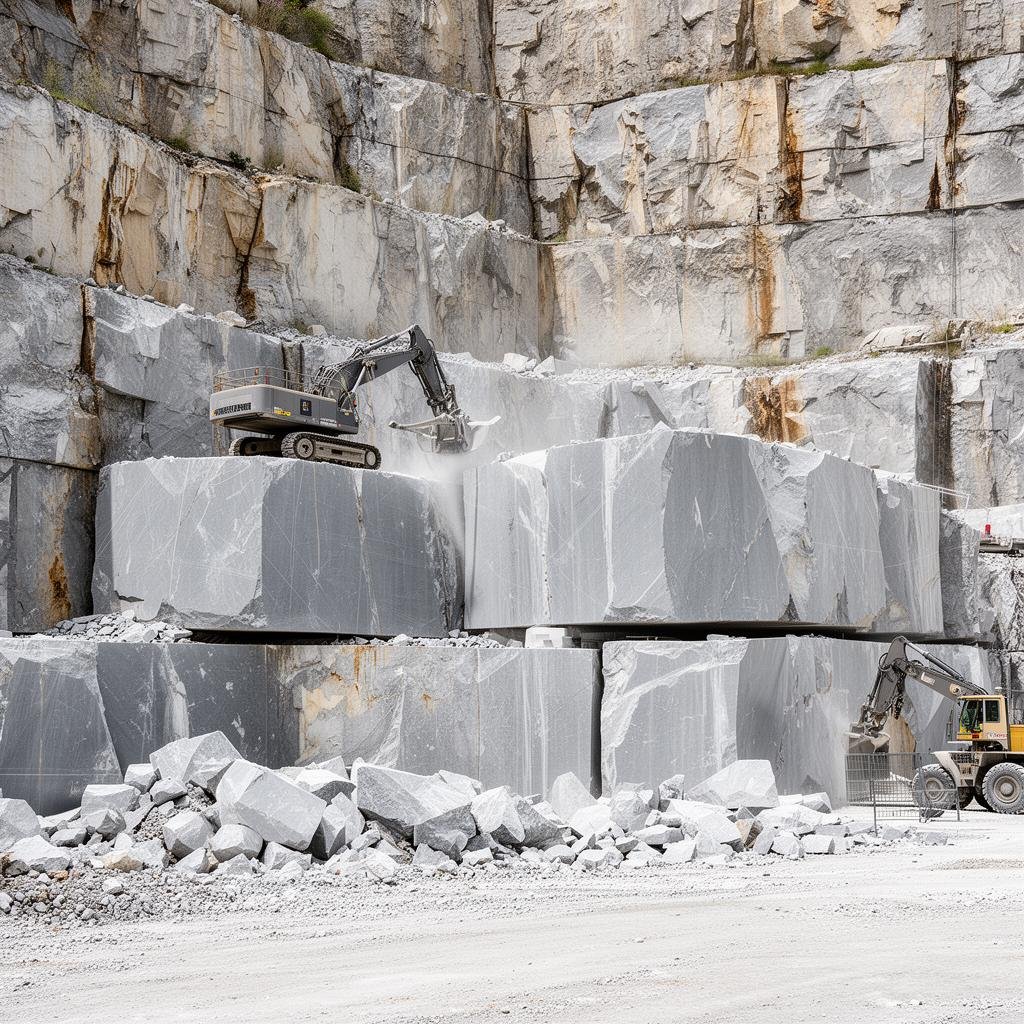
Major quarries producing premium grey limestone are found across Europe — particularly in France, Portugal, Turkey, and Croatia — as well as in India and China. Each quarry origin imparts distinct characteristics to the stone, from the blue-grey tones of Portuguese Moleanos to the warm silver-grey of Turkish limestone varieties. Understanding these quarry-specific qualities is essential when selecting grey limestone for construction or landscaping projects, as the origin directly influences colour consistency, hardness, and weather resistance.
Surface Treatments
Types of Grey Limestone Finishes
The finish applied to grey limestone dramatically transforms its appearance and performance characteristics. Each finish serves specific aesthetic and functional purposes.

Honed
Honed grey limestone features a smooth, matte surface achieved by grinding the stone to a consistent flat finish without high polishing. This is the most popular finish for interior flooring and wall applications, offering a contemporary, understated elegance. The honed surface provides excellent slip resistance while maintaining a refined, velvety appearance. It conceals minor scratches and wear better than polished finishes, making it ideal for high-traffic residential and commercial grey limestone flooring projects.

Brushed
Brushed grey limestone is created by treating the stone surface with wire brushes to produce a lightly textured, antiqued appearance. This finish highlights the natural grain and fossil content of the limestone while adding tactile depth. Brushed grey limestone tiles are particularly popular for rustic-contemporary interiors and outdoor applications where a natural, lived-in aesthetic is desired. The textured surface also enhances grip, making it a practical choice for exterior paving and pool surrounds.
Tumbled
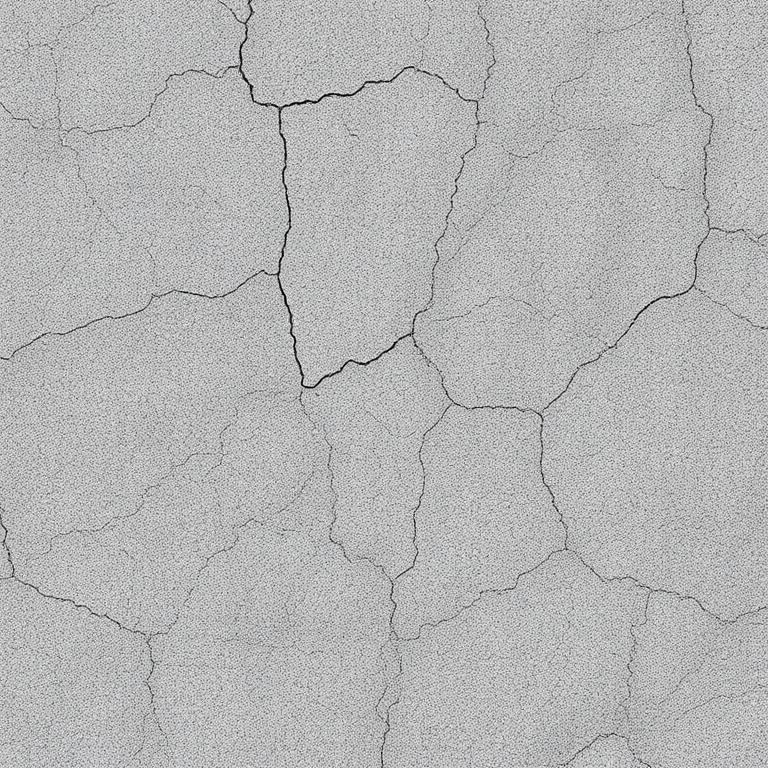
Tumbled grey limestone undergoes a mechanical ageing process where tiles or slabs are rotated in drums with abrasive materials to soften edges and create a weathered, antique appearance. This finish delivers a warm, Old World character that is highly valued in Mediterranean-style and traditional architecture. Tumbled grey limestone tiles feature rounded edges and a slightly rough texture that adds rustic charm to floors, patios, and garden paths.

Polished
Polished grey limestone is achieved through progressive grinding with increasingly fine abrasives until a glossy, reflective surface is produced. This finish reveals the full depth of colour and veining within the stone, creating a luxurious, high-end appearance. While stunning for feature walls, reception areas, and bathroom vanities, polished grey limestone requires more careful maintenance and is less suitable for flooring in wet areas due to reduced slip resistance.
Natural Split
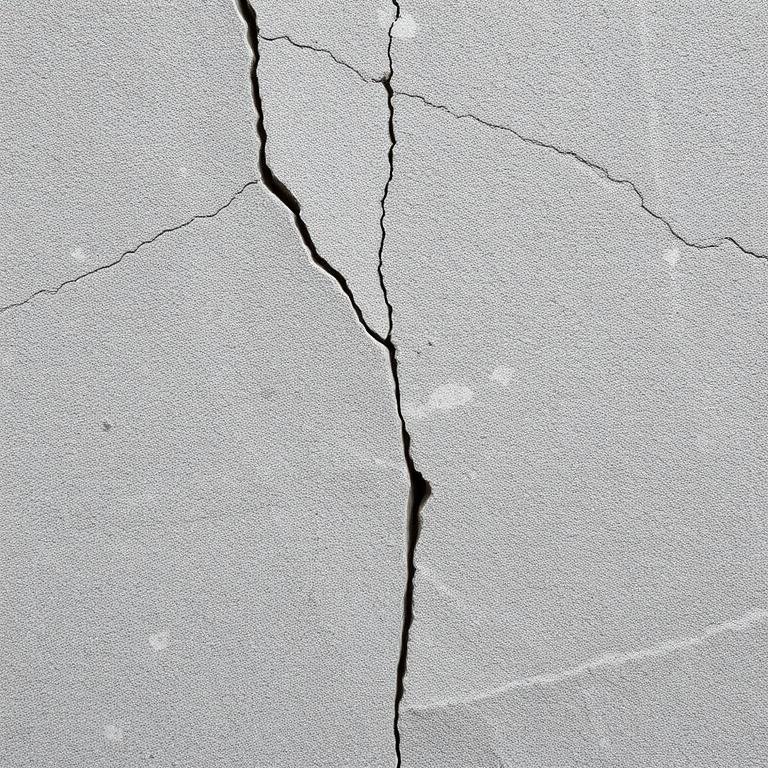
Natural split (or cleft) grey limestone retains the raw, unprocessed texture of the stone as it is split along its natural bedding planes. This finish showcases the most organic character of limestone, with an irregular, rugged surface that is ideal for exterior wall cladding, garden features, and rustic landscaping projects. Natural split grey limestone exterior applications provide excellent weather resistance and a dramatic visual impact that blends seamlessly with natural environments.
Where to Use
Applications of Grey Limestone
Grey limestone's versatility makes it suitable for virtually any architectural application, from intimate interiors to grand commercial developments.
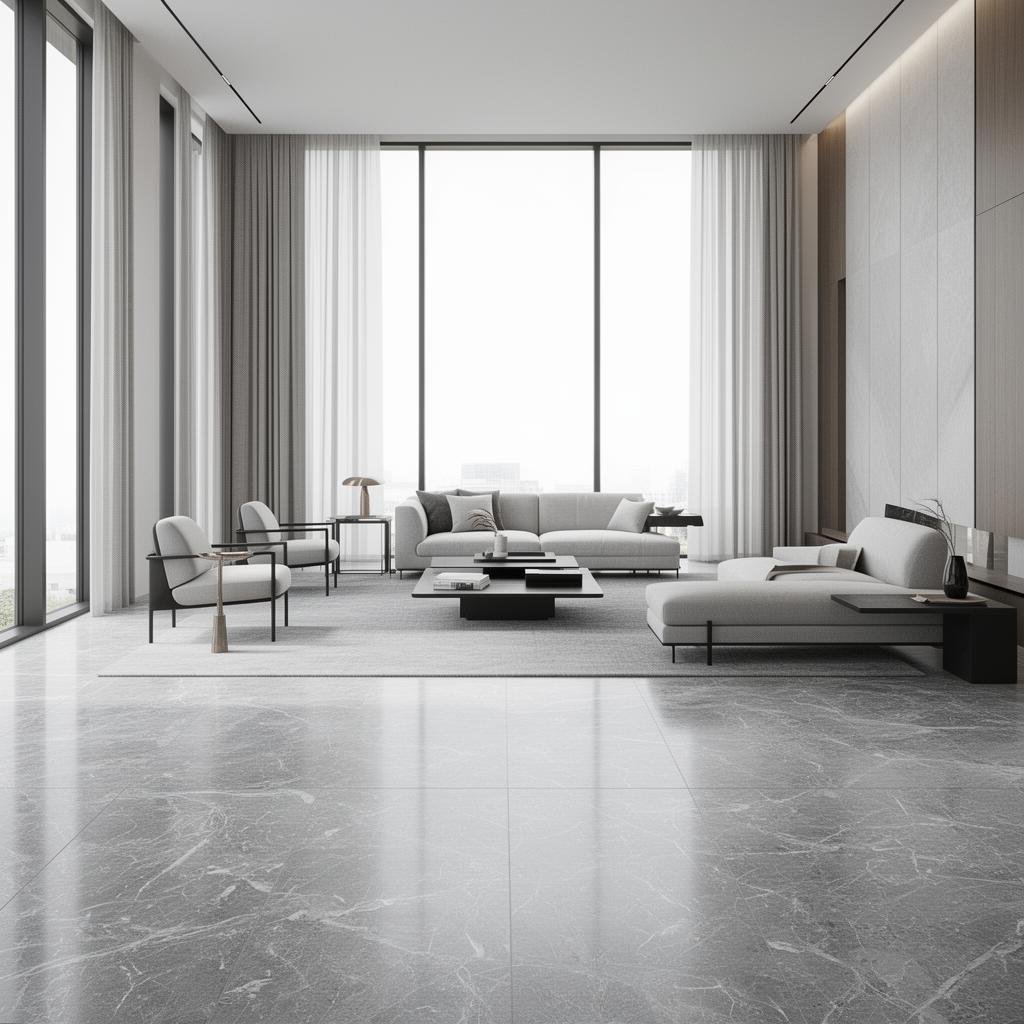
Flooring
Grey limestone flooring creates sophisticated, durable surfaces for living rooms, hallways, kitchens, and bathrooms. Large-format grey limestone tiles deliver a seamless, expansive look.
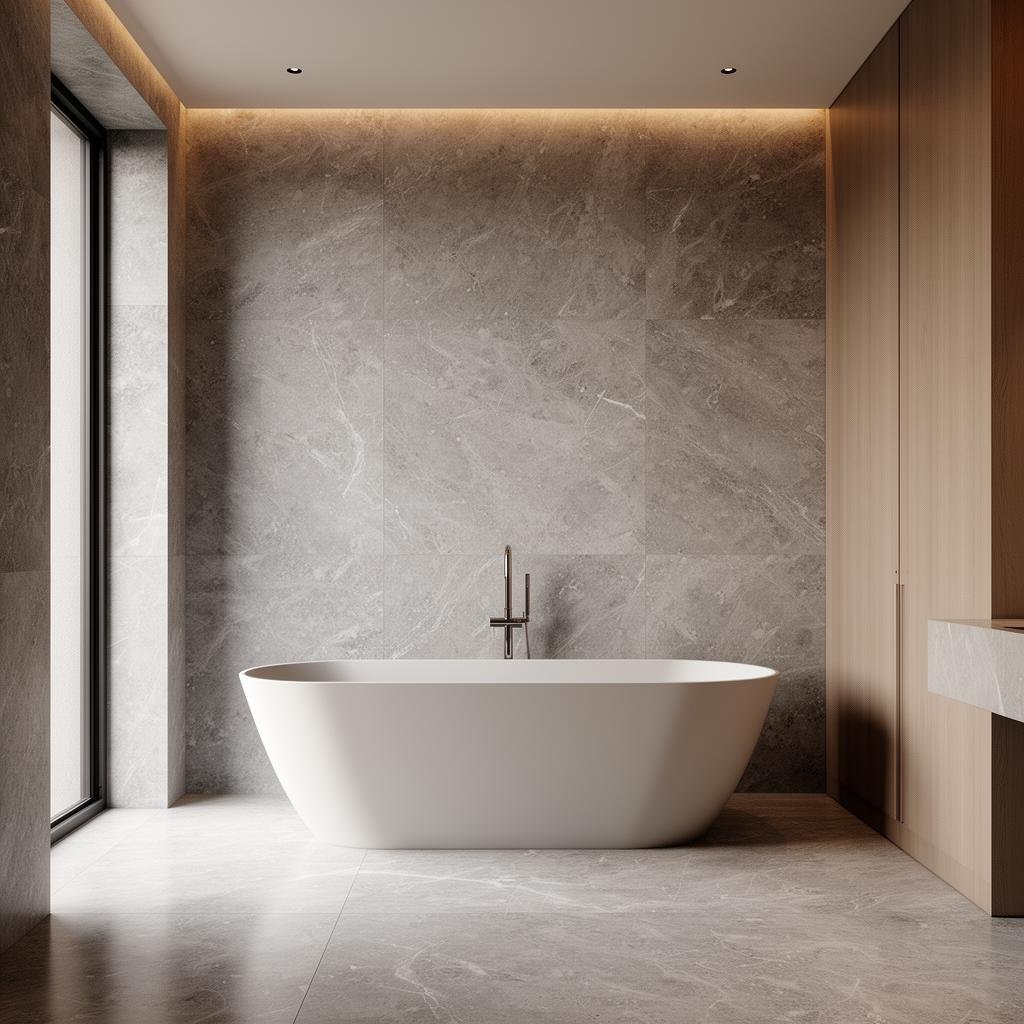
Wall Cladding
Interior and exterior wall cladding with grey limestone adds texture and depth to feature walls, reception areas, and bathroom surrounds with a refined natural stone character.
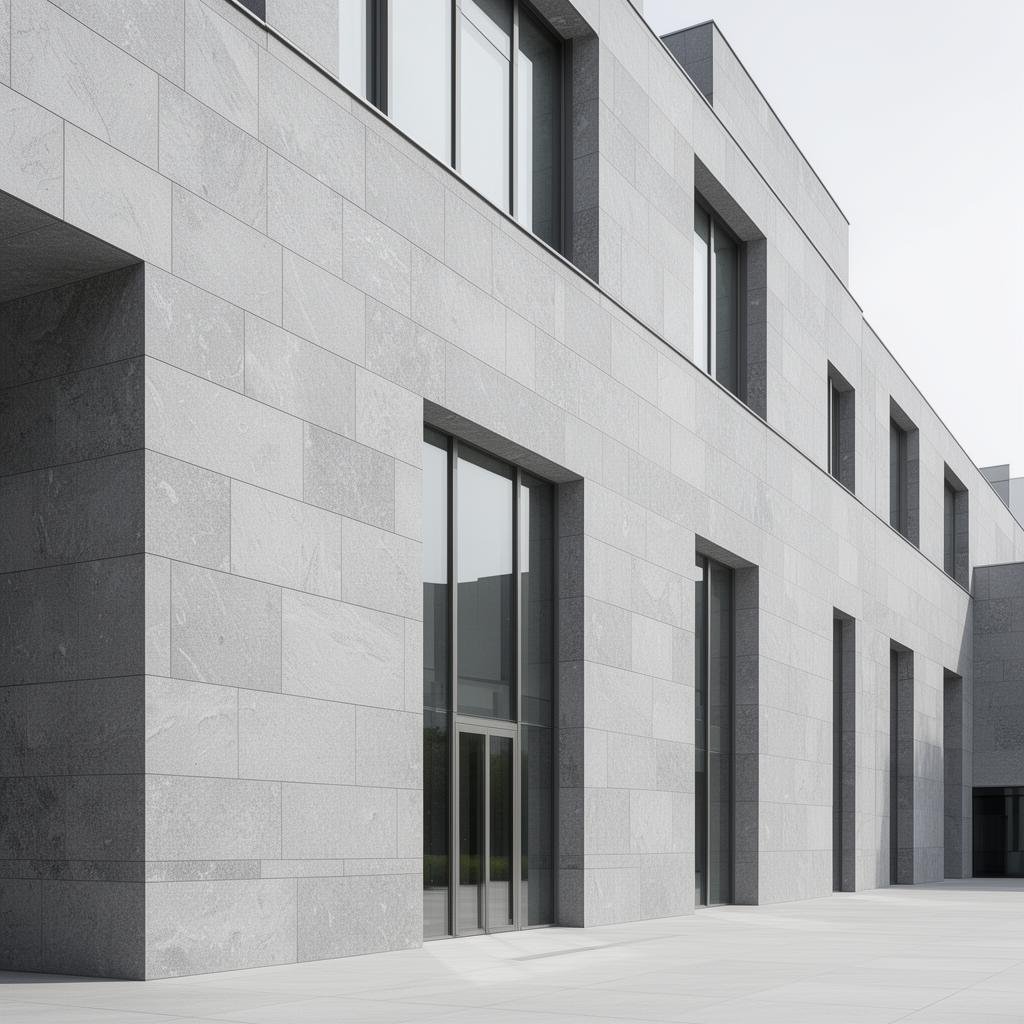
Exterior Facades
Grey limestone exterior cladding provides buildings with a distinguished, monumental presence. Its excellent weather resistance makes it ideal for commercial and residential facades.
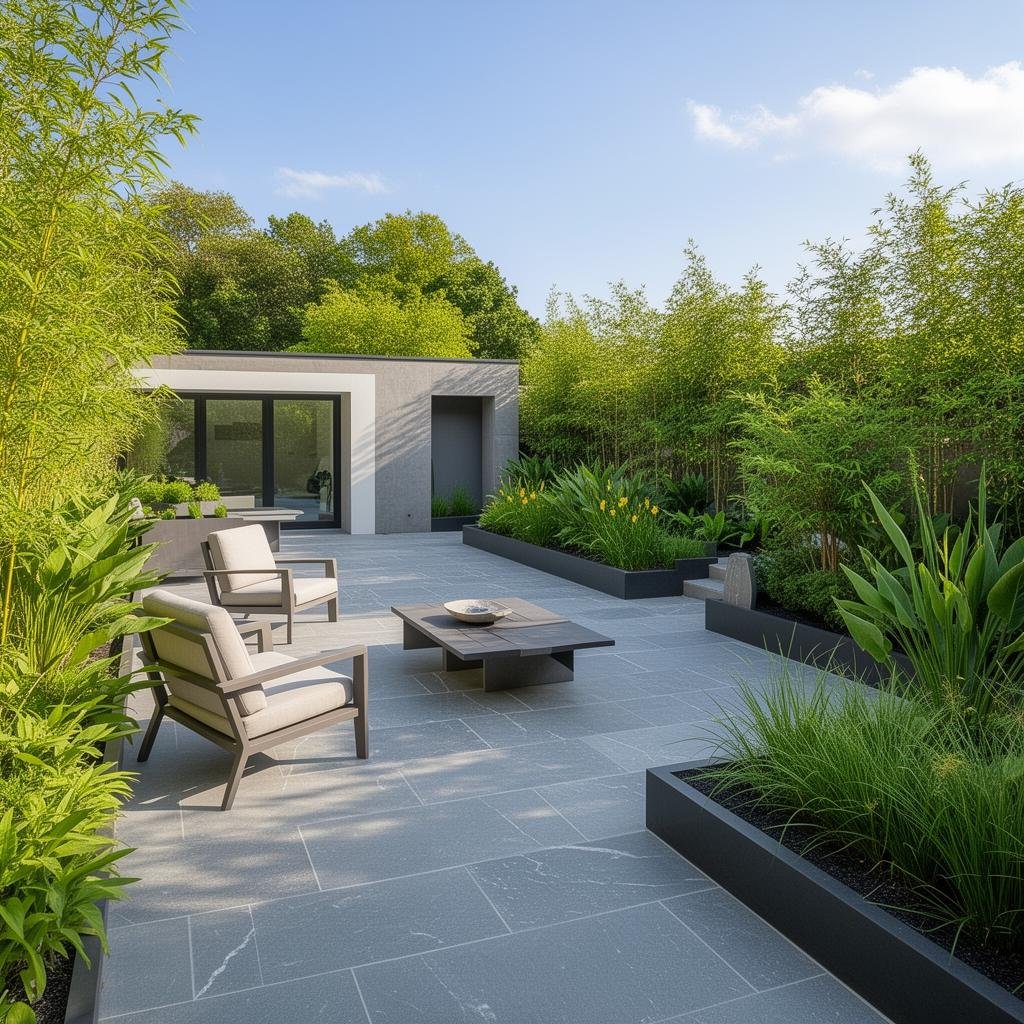
Landscaping
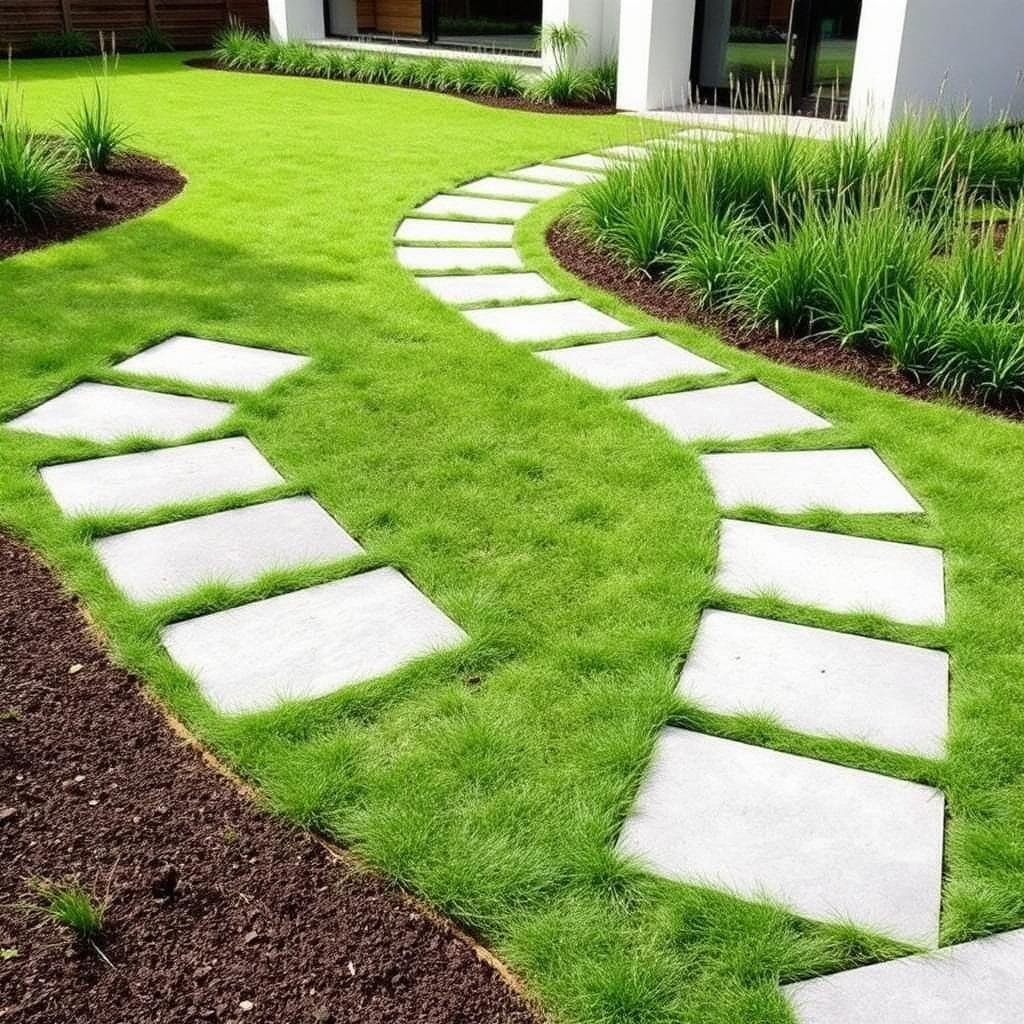
From garden paths to retaining walls, natural grey limestone enhances outdoor spaces with organic beauty. It blends harmoniously with greenery and contemporary landscape design.
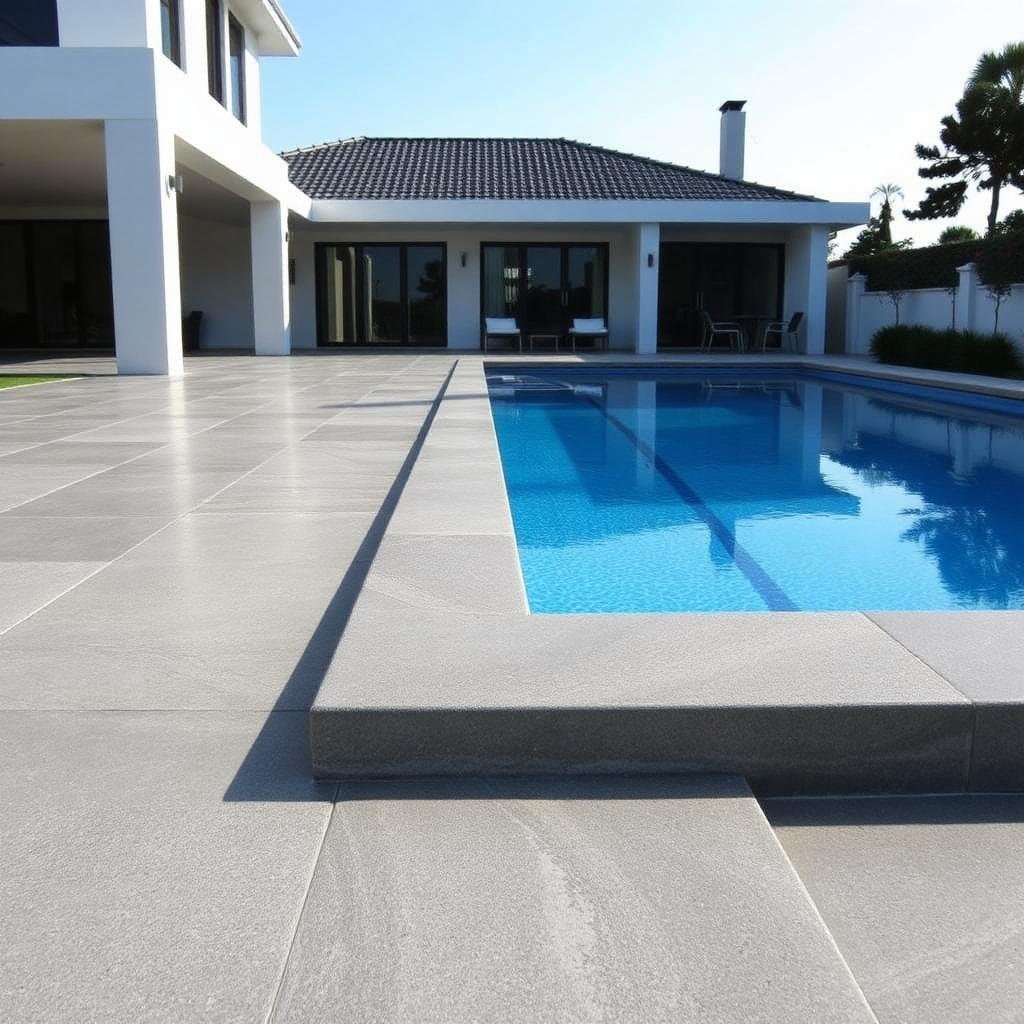
Pool Surrounds
Brushed or honed grey limestone is a premium choice for pool decks and coping. Its natural slip resistance and cool-underfoot properties make it both safe and stylish.
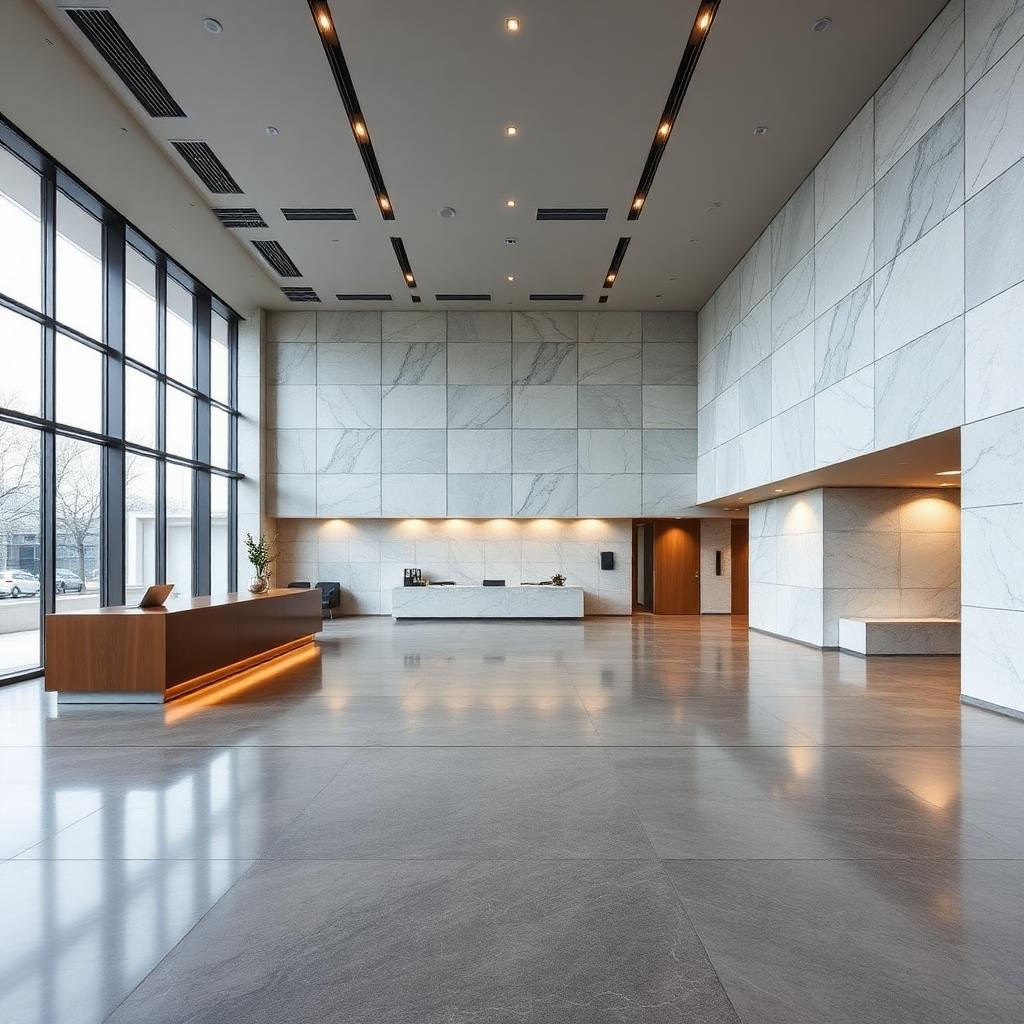
Commercial Projects
Hotels, offices, retail spaces, and civic buildings frequently specify grey limestone for lobbies, corridors, and public areas where durability and prestige are paramount.
How It Compares
Grey Limestone vs Other Natural Stones
Understanding how grey limestone compares to marble, granite, and travertine helps you make an informed specification decision for your project.
| Criteria | Grey Limestone | Marble | Granite | Travertine |
|---|---|---|---|---|
| Durability | High | Medium | Very High | Medium |
| Maintenance | Low–Medium | High | Very Low | Medium |
| Price Range (per m²) | $40–$120 | $60–$250 | $50–$200 | $30–$100 |
| Slip Resistance | Good | Low | Good | Very Good |
| Climate Suitability | All Climates | Mild Climates | All Climates | Warm Climates |
| Aesthetic Warmth | Warm & Natural | Cool & Luxurious | Bold & Speckled | Warm & Rustic |
| Porosity | Medium | Low | Very Low | High |
| Interior Use | Excellent | Excellent | Good | Good |
| Exterior Use | Excellent | Limited | Excellent | Good |
Data & Dimensions
Technical Specifications
Physical Properties
Available Finishes
Tile Sizes
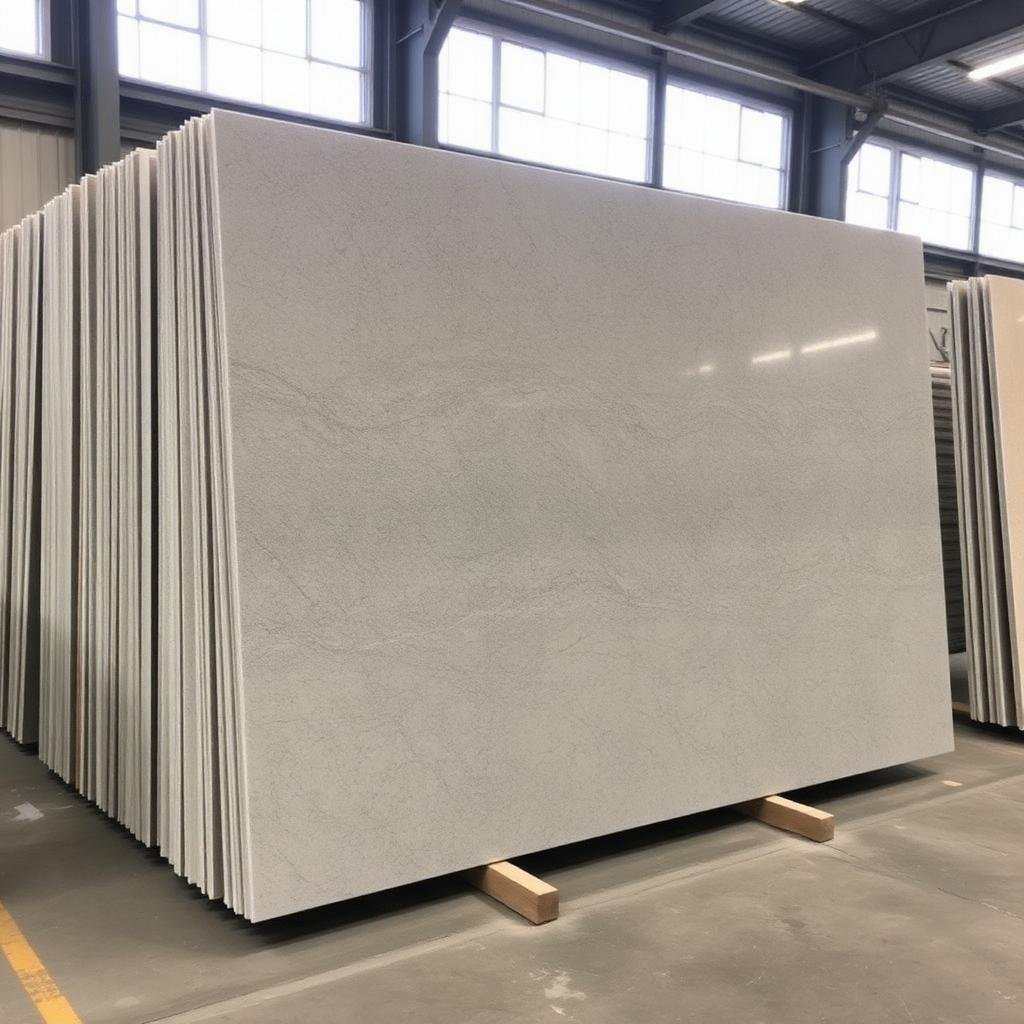
Slab Sizes
Thickness Options
Investment Guide
Grey Limestone Pricing Guide
The grey limestone price varies significantly depending on several key factors. Understanding these variables empowers you to budget accurately and select the best value for your specific project requirements. Generally, grey limestone tiles and slabs range from $40 to $120 per square metre for material costs alone, with premium quarry selections and speciality finishes commanding prices at the upper end or beyond this range.
Quarry Origin
European grey limestone, particularly French and Portuguese varieties, typically commands higher prices due to established reputations for quality, consistency, and strict quarrying standards. Indian and Chinese grey limestone offers more competitive pricing, though quality can vary more widely between suppliers and batches. When sourcing from grey limestone suppliers, always request samples from the specific block or batch being offered, as colour and quality variation between quarry faces is natural and expected.
Thickness & Format
Thicker slabs naturally cost more per square metre due to greater raw material usage and heavier transport weight. Standard 20 mm tiles are the most economical option for interior flooring, while 30–40 mm slabs are typically required for exterior paving and cladding applications. Large-format grey limestone slabs involve more quarry waste and greater handling risk, which is reflected in their premium pricing.
Finish & Processing
Each surface finish adds processing cost. Honed finishes are moderately priced, while brushed and tumbled finishes require additional manufacturing steps. Polished grey limestone commands the highest processing premium due to the multiple grinding stages involved. Specialty finishes such as leather or antiqued surfaces may also carry surcharges from grey limestone suppliers.
Shipping & Installation
Natural stone is heavy, and shipping costs — whether domestic or international — form a significant portion of the total project budget. Installation costs for grey limestone flooring typically range from $30 to $60 per square metre, depending on substrate preparation, pattern complexity, and regional labour rates. Always factor in a 10–15% material contingency for cuts, waste, and future repairs.
Get Your Project Quoted
Every project is unique. Share your specifications with our team for a detailed, competitive quotation tailored to your exact requirements — including material, shipping, and recommended installation methods.
Step-by-Step
Grey Limestone Installation Guide
Surface Preparation
Ensure the substrate is clean, level, dry, and structurally sound. For interior grey limestone flooring, a cement screed with a maximum deviation of 3 mm over 2 metres is recommended. Exterior installations require a well-compacted base layer with proper drainage gradient (minimum 1–2% fall). Apply a suitable primer to enhance adhesion between the substrate and adhesive layer.
Adhesive Selection & Application
Use a flexible, polymer-modified white cement adhesive (C2 TE S1 classification) specifically formulated for natural stone. Apply adhesive using back-buttering technique — apply to both the substrate and the back of each limestone tile or slab to ensure full coverage and eliminate voids. This is critical for grey limestone tiles to prevent moisture accumulation and potential staining.
Laying & Grouting
Maintain consistent joint widths of 3–5 mm using appropriate spacers. Use a non-sanded, flexible grout in a complementary colour — typically a light to medium grey for grey limestone installations. Avoid cement-based grouts with aggressive pigments that may stain the stone edges. Allow the adhesive to cure fully (typically 24–48 hours) before grouting.
Sealing
Apply a high-quality impregnating sealer to all grey limestone surfaces after grouting and complete drying. Impregnating sealers penetrate the stone without altering its natural appearance, providing protection against water, oil, and stain penetration. For grey limestone flooring in kitchens and bathrooms, a solvent-based impregnator offers the most durable protection. Re-seal every 3–5 years depending on traffic and exposure.
Ongoing Maintenance
Regular maintenance ensures grey limestone retains its beauty for decades. Sweep or vacuum regularly to remove abrasive particles. Clean with a pH-neutral stone cleaner — never use acidic, bleach-based, or abrasive cleaning products, as these will damage the limestone surface. For exterior grey limestone, an annual deep clean with a gentle pressure wash (below 100 bar) and re-sealing maintains optimal condition and slip resistance.
Long-Term Care
Maintenance & Care
Daily Cleaning
- Sweep or vacuum to remove dust and grit that can scratch surfaces
- Mop with warm water and a pH-neutral stone cleaner
- Wipe spills immediately — especially acidic liquids like wine, vinegar, or citrus juice
- Never use acidic or bleach-based cleaners on grey limestone
- Use felt pads under furniture legs to prevent scratching on limestone flooring
Sealing Schedule
- Apply initial seal immediately after installation and grouting
- Re-seal interior grey limestone flooring every 3–5 years
- Re-seal exterior grey limestone annually or biannually depending on exposure
- Use impregnating (penetrating) sealers for the most natural appearance
- Test sealer effectiveness periodically with a water droplet test
Outdoor Maintenance
- Perform an annual deep clean with low-pressure wash (under 100 bar)
- Remove moss and algae with specialist stone-safe treatments
- Check joint integrity and re-grout if necessary before winter
- Avoid de-icing salts on grey limestone paving — use sand instead
- Inspect sealer condition each spring and re-apply as needed
Inspiration
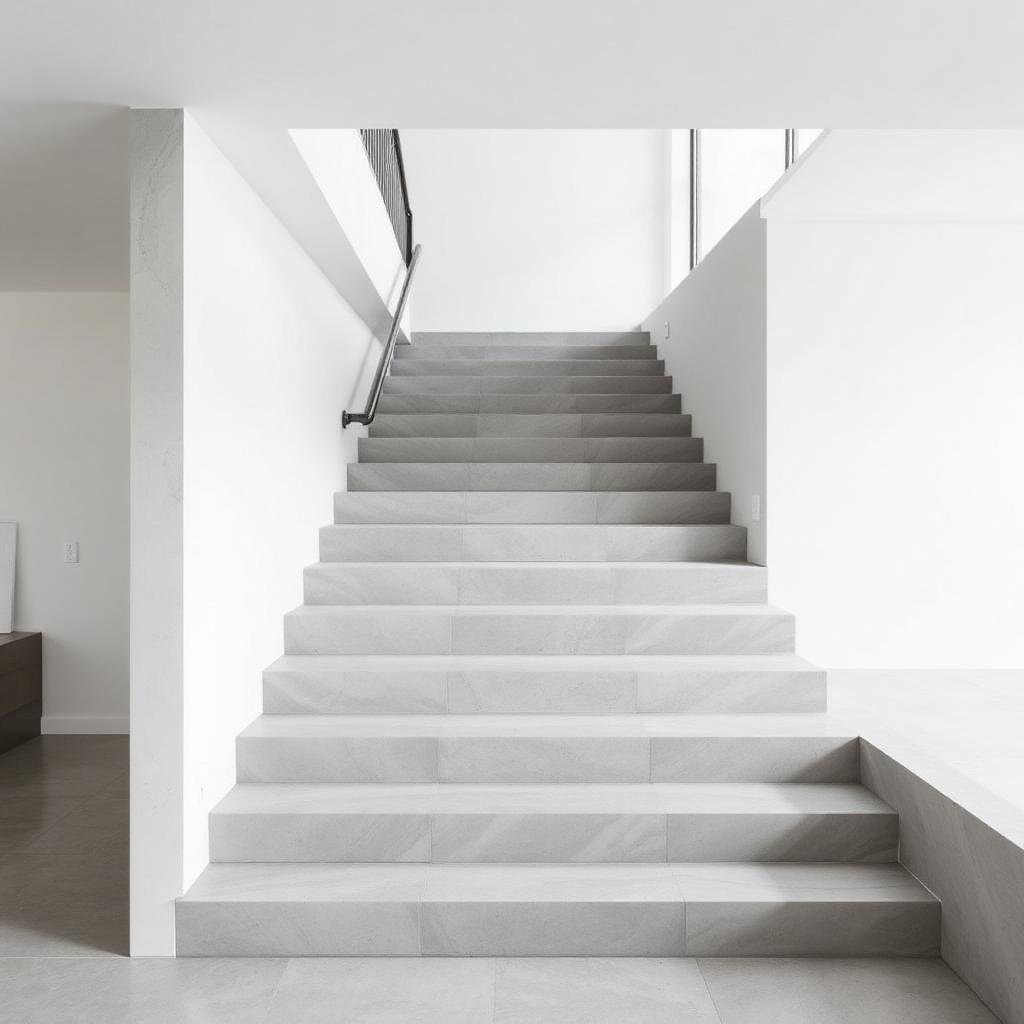
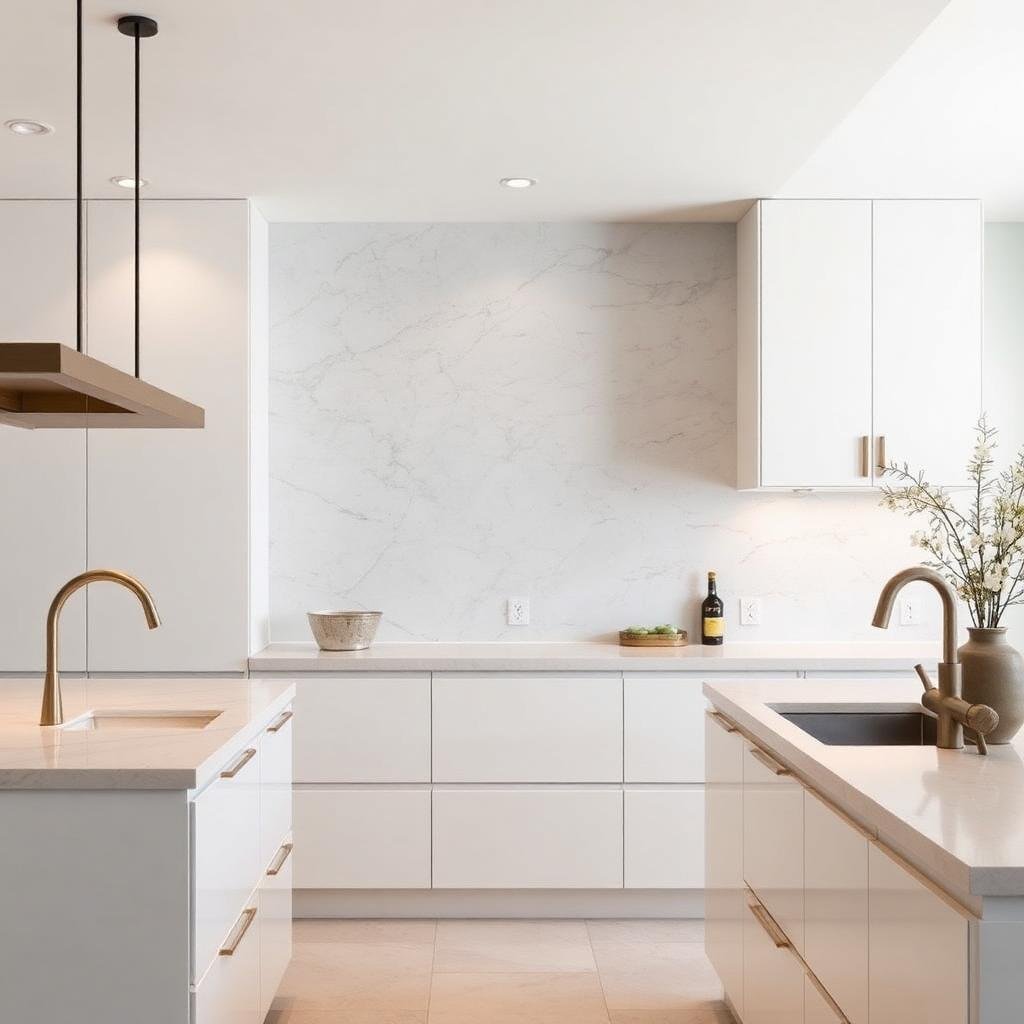
Grey Limestone Gallery
The Advantage
Why Choose Grey Limestone?
Exceptional Durability
Grey limestone withstands heavy foot traffic, extreme weather, and the test of time. Properly installed and maintained, it lasts for generations without losing structural integrity.
Timeless Aesthetic
Unlike trend-driven materials, grey limestone's natural elegance transcends design fashions. It complements both classical and contemporary architecture with equal grace.
Natural Elegance
Every piece of natural grey limestone carries unique geological character — subtle veining, fossil traces, and colour variations that create irreplaceable organic beauty.
Cost-Effective
Compared to premium marbles and exotic granites, grey limestone offers outstanding value. Its longevity and low maintenance costs deliver excellent return on investment over the lifetime of a building.
Eco-Friendly
As a 100% natural material requiring minimal processing, grey limestone has a lower carbon footprint than manufactured alternatives. It is fully recyclable and contains no synthetic chemicals.
Unmatched Versatility
From honed interior floors to split-face exterior cladding, grey limestone adapts to any design vision. Its neutral palette harmonises with virtually any colour scheme and material pairing.
Common Questions
Frequently Asked Questions
Yes, grey limestone is excellent for outdoor applications including paving, cladding, pool surrounds, and landscaping. Its natural density and frost resistance make it suitable for all climates when properly installed with appropriate drainage and sealed with a high-quality impregnating sealer. Brushed and natural split finishes are particularly recommended for grey limestone exterior use due to their enhanced slip resistance.
Grey limestone's slip resistance depends on the surface finish. Honed, brushed, tumbled, and natural split finishes all offer good to excellent slip resistance and are suitable for wet areas including bathrooms and pool decks. Polished grey limestone has lower slip resistance and is not recommended for flooring in areas exposed to water. For exterior applications, always specify a textured finish.
With proper installation and maintenance, grey limestone lasts for centuries. Many historic buildings across Europe feature limestone that has remained structurally sound and aesthetically beautiful for hundreds of years. Modern sealing technologies further extend the stone's lifespan by protecting against moisture ingress and staining.
Unsealed grey limestone is porous and can absorb liquids that cause staining, particularly acidic substances like wine, citrus juice, and vinegar. However, when properly sealed with a penetrating impregnator, grey limestone gains excellent stain resistance. Immediate cleanup of spills and regular re-sealing every 3–5 years maintains this protection effectively.
Grey limestone prices typically range from $40 to $120 per square metre for material costs, depending on quarry origin, thickness, finish, and tile/slab format. European varieties command higher prices than Asian alternatives. Installation costs add approximately $30–$60 per square metre. Request quotes from multiple grey limestone suppliers for the best value.
Sealing is strongly recommended for all grey limestone installations. While the stone will function without sealing, an impregnating sealer dramatically reduces water absorption, prevents staining, and makes ongoing cleaning significantly easier. For kitchen floors, bathrooms, and exterior applications, sealing is considered essential by industry professionals.
Absolutely. Grey limestone is a popular choice for bathroom floors, walls, shower enclosures, and vanity tops. Use honed or brushed finishes for slip safety, ensure proper waterproofing behind the stone, and apply an impregnating sealer to protect against water and soap residue. Avoid polished finishes on bathroom floors.
For interior flooring, 15–20 mm thick grey limestone tiles are standard and provide excellent performance over a level substrate. Exterior paving requires a minimum of 20–30 mm thickness for pedestrian areas, while driveways and areas subject to vehicular traffic need 40–50 mm. Thicker material provides greater durability but increases weight and cost.
While porcelain tiles offer low maintenance, grey limestone provides an authentic natural stone character that engineered products cannot replicate. Each limestone piece is unique, develops a beautiful patina over time, and adds genuine warmth and prestige to spaces. Grey limestone is also more sustainable, as it requires less energy to produce than kiln-fired porcelain.
Use a flexible, non-sanded grout in a complementary colour — typically light to medium grey. Avoid dark-pigmented or acid-based grouts that may stain limestone edges. Epoxy grouts can be used in wet areas for enhanced waterproofing, but ensure compatibility with natural stone by testing on a sample piece first.
Start Your Project
Get Premium Grey Limestone for Your Next Project
Whether you need grey limestone slabs for a grand facade, tiles for elegant interiors, or paving for outdoor landscapes — our expert team is ready to provide samples, technical guidance, and competitive pricing tailored to your specifications.
Request Your Custom Quote